
Cybersecurity Challenges in the Logistics Sector in Boston, MA
Protecting Boston’s Port, Freight, and High-Tech Distribution Operations from Cyber Threats
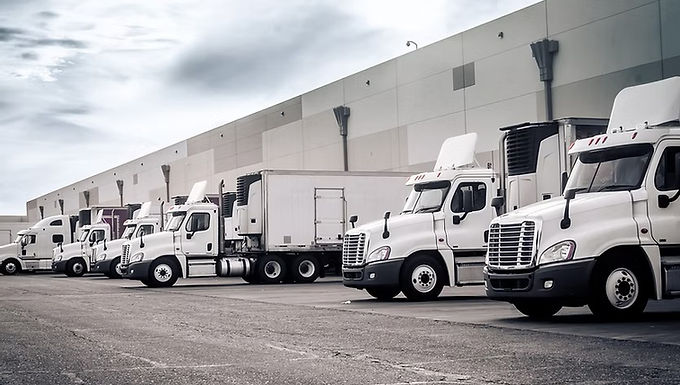
Protecting Boston’s Port, Freight, and High-Tech Distribution Operations from Cyber Threats
Boston, MA plays a vital role in New England’s logistics and supply chain infrastructure. With access to Port of Boston, major interstates (I-90, I-93), Logan International Airport, and a booming tech ecosystem, Boston logistics firms handle everything from container imports to biotech shipping and last-mile urban delivery.
But the increasing reliance on automation, cloud systems, and third-party platforms makes Boston’s logistics sector a prime target for cyberattacks. Whether you're handling cold chain storage, pharmaceuticals, or consumer goods, cybersecurity is no longer optional it’s essential.
At Simba Cybersecurity, we deliver industry-specific cyber protection for Boston’s logistics operations ensuring resilience, compliance, and peace of mind.
1. Ransomware Crippling Smart Warehouses and Shipping Terminals
Boston's port-based and inland logistics facilities rely on integrated software for scheduling, tracking, and inventory. Ransomware can paralyze these systems, delaying time-sensitive cargo and threatening business continuity.
2. Supply Chain and Third-Party Software Risks
From customs brokers and inventory management systems to logistics tech platforms, each external connection introduces risk. Supply chain attacks targeting vendors or partners can compromise your entire network.
3. IoT and Fleet Tracking Device Vulnerabilities
Many Boston-area logistics firms use IoT to monitor shipments, route trucks, and manage temperature-sensitive deliveries. If not properly secured, these devices become easy entry points for attackers.
4. Phishing Targeting Warehouse and Admin Staff
Cybercriminals often mimic freight partners, invoice requests, or shipment updates in phishing emails. These attacks can lead to credential theft, unauthorized payments, or full system breaches.
5. Endpoint Security Gaps in a Mobile-First Workforce
Drivers, warehouse techs, and operations staff frequently use tablets and mobile apps. Without device security, encryption, and access controls, these endpoints can be exploited by hackers.
6. Massachusetts and Federal Data Protection Compliance
Boston logistics companies must comply with:
Massachusetts Data Security Regulation (201 CMR 17.00)
Massachusetts Breach Notification Law
Federal compliance frameworks like NIST, PCI-DSS, HIPAA, or CMMC depending on the industries served
Failure to comply can lead to fines, lawsuits, and lost contracts especially in biotech or government logistics.
How Simba Cybersecurity Helps Logistics Companies in Boston
Simba Cybersecurity delivers tailored protection to logistics firms in Boston from cold chain pharma distributors to regional freight operators and global shipping agents.
Our Cybersecurity Services Include:
24/7 Threat Detection & Managed SOC
Ransomware Protection & Business Continuity Planning
IoT & Smart Fleet Security
Endpoint & Mobile Device Security
Phishing Simulation & Employee Training
Vendor Risk Assessments & Compliance Reviews
Data Protection Consulting for MA and Federal Laws
Final Thoughts
Boston’s logistics sector is innovative, fast-paced, and essential but also increasingly vulnerable. In a city that moves millions in goods daily, cybersecurity can’t be an afterthought.
Simba Cybersecurity protects Boston’s logistics firms with proactive, intelligent, and scalable solutions.