
Cybersecurity Challenges in the Logistics Sector in Detroit, MI
Securing Detroit’s Automotive and Cross-Border Logistics Infrastructure from Digital Threats
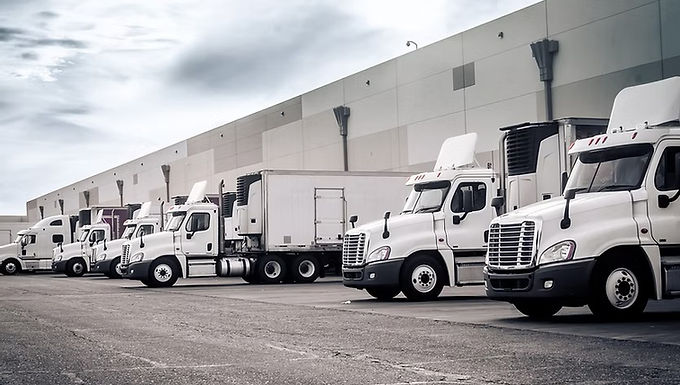
Securing Detroit’s Automotive and Cross-Border Logistics Infrastructure from Digital Threats
Detroit, MI is one of the most important logistics and supply chain centers in North America, thanks to its proximity to Canada, a robust automotive industry, and access to major interstates and freight rail systems. The Detroit-Windsor border crossing is one of the busiest international land ports in the U.S., moving billions in goods annually.
But as logistics operations in Detroit modernize with smart technology, IoT tracking, and cloud-based platforms, they also face rising cybersecurity threats from ransomware attacks to supply chain breaches and IoT vulnerabilities.
At Simba Cybersecurity, we help logistics companies in Detroit protect their operations, meet regulatory standards, and avoid the devastating effects of cyberattacks.
1. Ransomware Crippling Freight and Customs Operations
Detroit’s high-throughput warehouses and border facilities rely on time-sensitive systems. Ransomware that locks these platforms can cause major shipment delays and financial losses especially in the just-in-time automotive supply chain.
2. Third-Party Vendor & Cross-Border Risk
Detroit’s logistics firms often rely on suppliers, carriers, and customs brokers from both the U.S. and Canada. Without strong third-party risk management, a breach from any link in the chain can compromise your entire network.
3. IoT & Smart Tracking Device Vulnerabilities
IoT devices used in tracking automotive parts, cold chain logistics, and freight conditions are often unpatched and poorly encrypted, making them an easy target for hackers seeking to disrupt operations or steal data.
4. Phishing Scams and Credential Theft
Cybercriminals target Detroit logistics firms with emails that mimic freight brokers, clients, or customs agencies. One successful phishing email can lead to a network breach, data exfiltration, or financial fraud.
5. Mobile Workforce & Endpoint Security Challenges
From warehouse supervisors to truck drivers, logistics employees rely on mobile devices and cloud apps. Without proper endpoint protection, these access points can be exploited to launch broader attacks.
6. Compliance with Michigan and Federal Cybersecurity Laws
Logistics companies in Detroit must comply with:
Michigan Identity Theft Protection Act (MITPA)
Michigan Data Breach Notification Law
Federal standards like CMMC, NIST, HIPAA, and PCI-DSS
Compliance is critical, especially for companies handling sensitive data or government contracts.
How Simba Cybersecurity Supports Detroit Logistics Firms
Simba Cybersecurity delivers customized cybersecurity services that address the unique challenges of Detroit’s cross-border, industrial, and e-commerce logistics environments.
Our Services Include:
24/7 SOC Monitoring & Incident Response
Ransomware Prevention & Backup Solutions
IoT & Smart Device Security Architecture
Endpoint Protection for Remote/Mobile Teams
Vendor Risk & Compliance Management
Employee Phishing Awareness Training
Cyber Compliance for MITPA, CMMC, NIST, etc.
Final Thoughts
Detroit’s logistics sector keeps automotive, manufacturing, and international trade moving. But in today’s threat landscape, one breach can halt your operations and erode customer trust.
Simba Cybersecurity partners with Detroit logistics firms to deliver reliable, regulatory-ready cybersecurity defenses that scale with your operations.